Cycling in Alaska: The Chase Trail is a Ride on the Wild Side
Talkeenta, Alaska
The Chase Trail
Distance: 14 miles
The Chase Trail, located near Talkeetna, Alaska, is a 14-mile route of rugged riding and backcountry scenery. Be prepared for changing conditions, limited services, and a route that feels more like a wilderness connector than a recreation path.
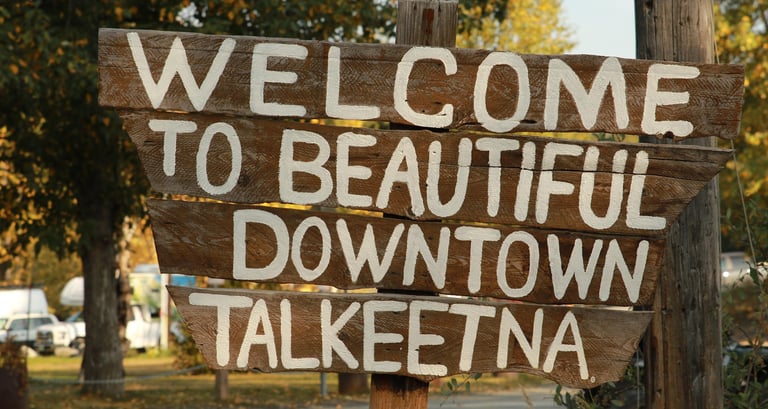
The trail begins just north of Talkeetna, a town best known as the gateway to Denali and a base for climbers, flight tours, and river trips. Talkeetna is worth a visit, with its small downtown, local cafés, and historic airstrip. The Chase Trail heads north, roughly paralleling the Alaska Railroad. Its purpose historically has been to connect the rural homesteads and cabins north of town with access to the rail line. This is not a manicured multi-use path; it is a route through the woods and wetlands that sees as much snowmachine and ATV use as it does bicycles.
Cycling in Alaska not for the faint of heart
The surface varies widely. Sections close to Talkeetna are generally firm dirt and gravel; as you head farther out, expect stretches of soft sand, muddy patches, and overgrown vegetation. Low spots hold water, and after rain the mud can be deep. Fat-tire bikes or mountain bikes will work best. This is river country, not alpine terrain, with frequent changes in surface conditions that can make progress slow.
You’ll ride past stands of spruce and birch, open muskeg areas, and catch glimpses of the Alaska Range when the weather is clear. Moose and bears inhabit the region, so carry bear spray and know how to use it. Because the trail is remote, encounters with other cyclists may be few and far between, depending on the season.
Bring everything
Services along the trail are nonexistent. There are no bathrooms, no water sources you can rely on, and no signage beyond the occasional marker near homesteads. Bring enough water or a filter, food, tools, and repair gear. Cell service is unreliable once you leave town. For many riders, that self-reliance is part of the appeal, but it makes the Chase Trail risky for casual outings.
One unique aspect of the trail is its connection to the Alaska Railroad flagstop system. In some areas north of Talkeetna, residents and visitors flag the train to get on or off at remote locations, and the trail links several of these homesteads. For cyclists, this means the possibility of combining a ride with a train trip.
The best time to ride is late summer into early fall, when the ground is drier and insects aren’t as bad. Mosquitoes can be intense earlier in the summer. Spring often brings muddy, rutted conditions, and winter requires fat bikes and cold-weather gear. Even in the best season, expect uneven surfaces and the possibility that you may need to dismount and push in sections.
Feedback from riders is consistent: the Chase Trail delivers solitude and a true Alaskan backcountry feel, but it is not a trail to underestimate. The “good” is the chance to ride in near wilderness, with little development and plenty of space. The “bad” is the rough, variable surface. The “ugly” is the possibility of deep mud, swarms of mosquitoes, and wildlife encounters.
For visitors in Talkeetna who want a real taste of rural Alaska by bike, it is worth the effort. For those expecting a smooth, scenic rail-trail, it will be a rude surprise. Like much of Alaska, it rewards preparation, patience, and respect for the conditions.
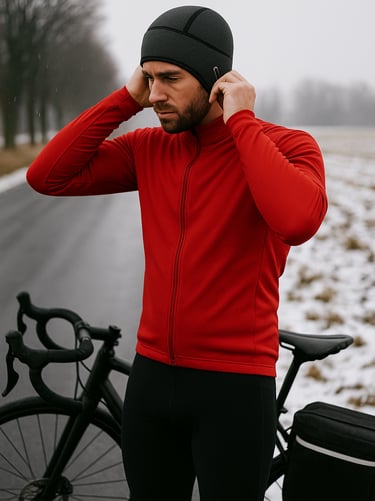
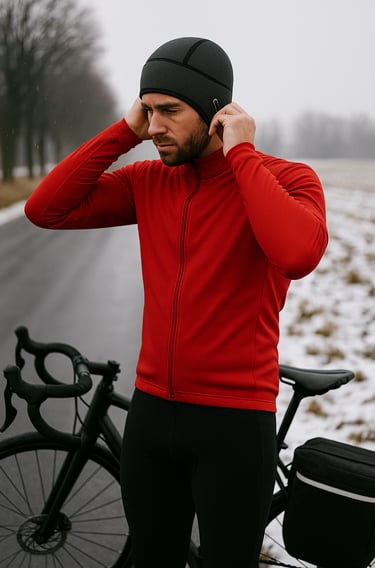
Keep your noggin warm with this toasty cap!
Riders interested in bike trails in Alaska will find The Chase Trail a worthy challenge.
Some pages contain affiliate links. If you purchase something through one of these links, we may earn a small commission.